
Imagine you’re all set to capture that perfect sunset or your friend’s goofy face, but your iPhone camera decides to play hide and seek. Frustrating, right? Whether it’s a stubborn lens or a sneaky software glitch, a malfunctioning camera can turn any photo opportunity into a comedy of errors.
Common Reasons Your Camera Might Not Work
Camera issues on an iPhone can stem from various sources, impacting its functionality significantly. Understanding these reasons can help in diagnosing the problem.
Hardware Issues
Hardware defects often lead to camera malfunctions. A cracked lens may hinder clear images, while physical damage to the camera module can prevent it from working altogether. Additionally, debris lodged in the camera lens might block its view, affecting functionality. A loose connection inside the device could also disrupt communication between the software and hardware components. Checking for visible damage and ensuring proper alignment and cleanliness can resolve issues related to hardware.
Software Glitches
Software glitches can cause camera problems as well. Outdated software often leads to compatibility issues, making the camera unresponsive. Conflicting applications might interfere with camera performance, requiring a force quit to restore functionality. Clearing the camera app’s cache or resetting settings may help resolve minor glitches. Occasionally, restarting the iPhone can refresh system processes and fix temporary issues. Regular updates to iOS benefit overall device performance and camera reliability.
Troubleshooting Steps to Fix Camera Issues
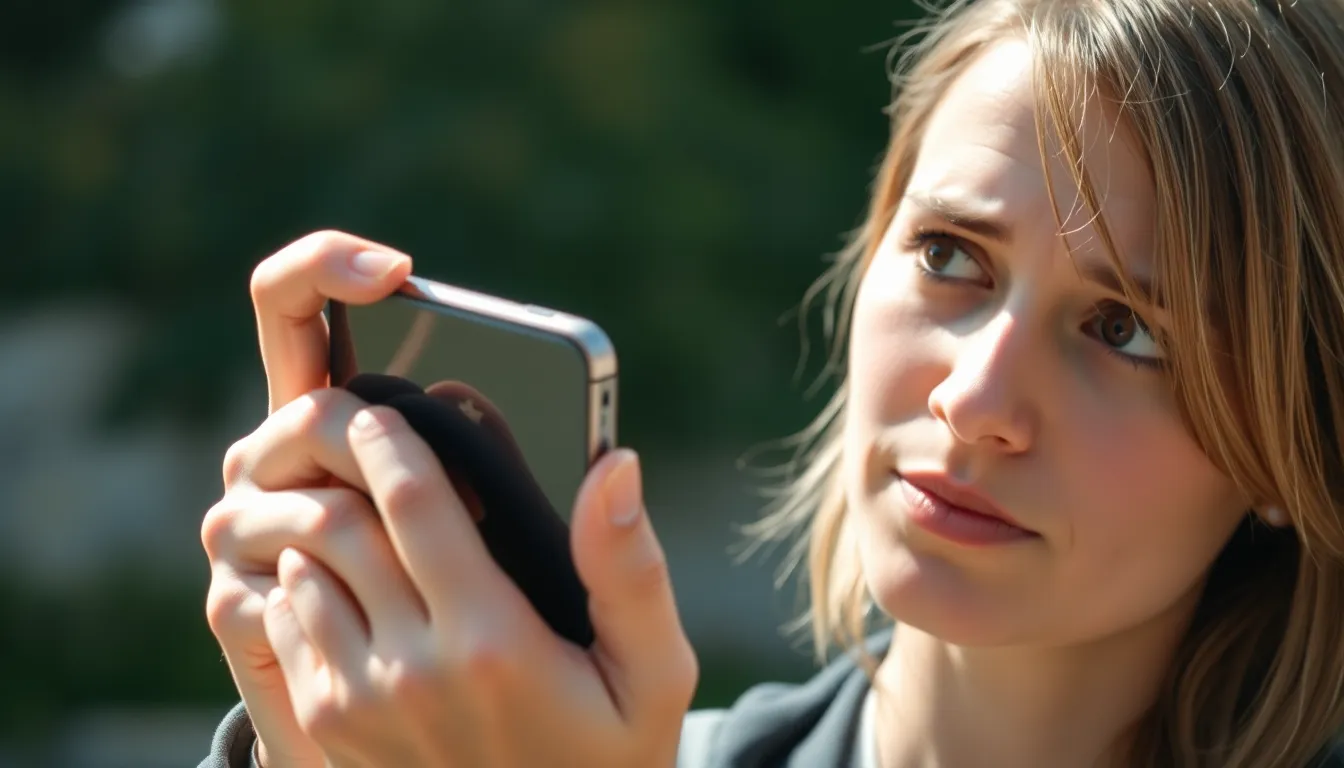
If an iPhone camera isn’t functioning correctly, effective troubleshooting can quickly resolve the issue. Follow these steps to restore camera functionality.
Restart Your iPhone
Restarting the device often resolves minor software glitches. Hold down the power button until the slider appears, then drag it to turn off. After a few seconds, press the power button again to turn the iPhone back on. Many users find that this simple action refreshes the system and restores camera performance.
Check for Software Updates
Keeping iOS updated can prevent conflicts and bugs. Open the Settings app, tap General, then select Software Update. If an update is available, follow the prompts to install it. Regular updates can ensure compatibility with apps that access the camera. Users frequently overlook updates, yet they play a crucial role in maintaining device performance.
Inspect Camera Lens
Physical issues can hinder camera functionality. Examine the lens for cracks, scratches, or dirt. A clean, undamaged lens is essential for clear photographs. Use a soft, lint-free cloth to gently clean the surface. If debris exists, it can obstruct the camera’s view and affect image quality. Ensuring the lens is clear and intact addresses potential hardware problems.
Additional Solutions
If the camera still malfunctions, exploring some additional solutions can restore functionality. Consider resetting settings or restoring the iPhone to its factory state.
Reset All Settings
Resetting all settings can fix persisting issues without deleting personal data. Navigate to Settings, choose General, then select Reset. Execute the “Reset All Settings” option. This action won’t erase media or apps but will reset preferences like Wi-Fi passwords and wallpaper. After completing this step, check the camera to determine if the problem persists.
Restore Your iPhone
Restoring the iPhone through iTunes can resolve deeper software issues affecting performance. Start by backing up important data to prevent loss. Connect the iPhone to a computer, open iTunes, and select the device. Choose “Restore iPhone” and follow the on-screen prompts. This process reinstalls the latest iOS version, eliminating potential software corruption. Once the restoration concludes, test the camera again to see if it operates correctly.
When to Seek Professional Help
Seeking professional assistance becomes essential when troubleshooting doesn’t resolve camera issues. Persistent problems often indicate underlying hardware or software failures.
Signs Your Camera Requires Repair
Visible damage to the camera, such as cracks or scratches, clearly suggests a need for repair. Unusual behavior, like the camera app freezing or crashing, often signals deeper software issues. Strange noises coming from the camera when attempting to focus may point towards mechanical failure. Continuous error messages related to the camera functionality also warrant professional assessment. Delayed response times when capturing photos or switching modes can indicate significant problems that require expert attention.
Finding Apple Support
Finding Apple Support is straightforward. Users can visit the official Apple Support website for online resources or initiate a repair request. Engaging with Apple’s customer service can provide tailored advice based on specific issues. Apple Store locations offer in-person diagnostics and repairs, ensuring thorough examination by certified technicians. Users should consider making an appointment to minimize wait times. Utilizing Apple authorized service providers is another option for reliable repair services.
Experiencing camera issues on an iPhone can be frustrating but understanding potential causes can lead to effective solutions. By following the troubleshooting steps outlined, users can often resolve minor glitches and restore functionality. Regular maintenance such as software updates and lens inspections can prevent future problems.
When issues persist despite these efforts, it’s crucial to seek professional help. Recognizing signs of hardware or software failure early can save time and ensure the camera is restored to optimal performance. With the right approach, capturing those important moments can return to being a seamless experience.