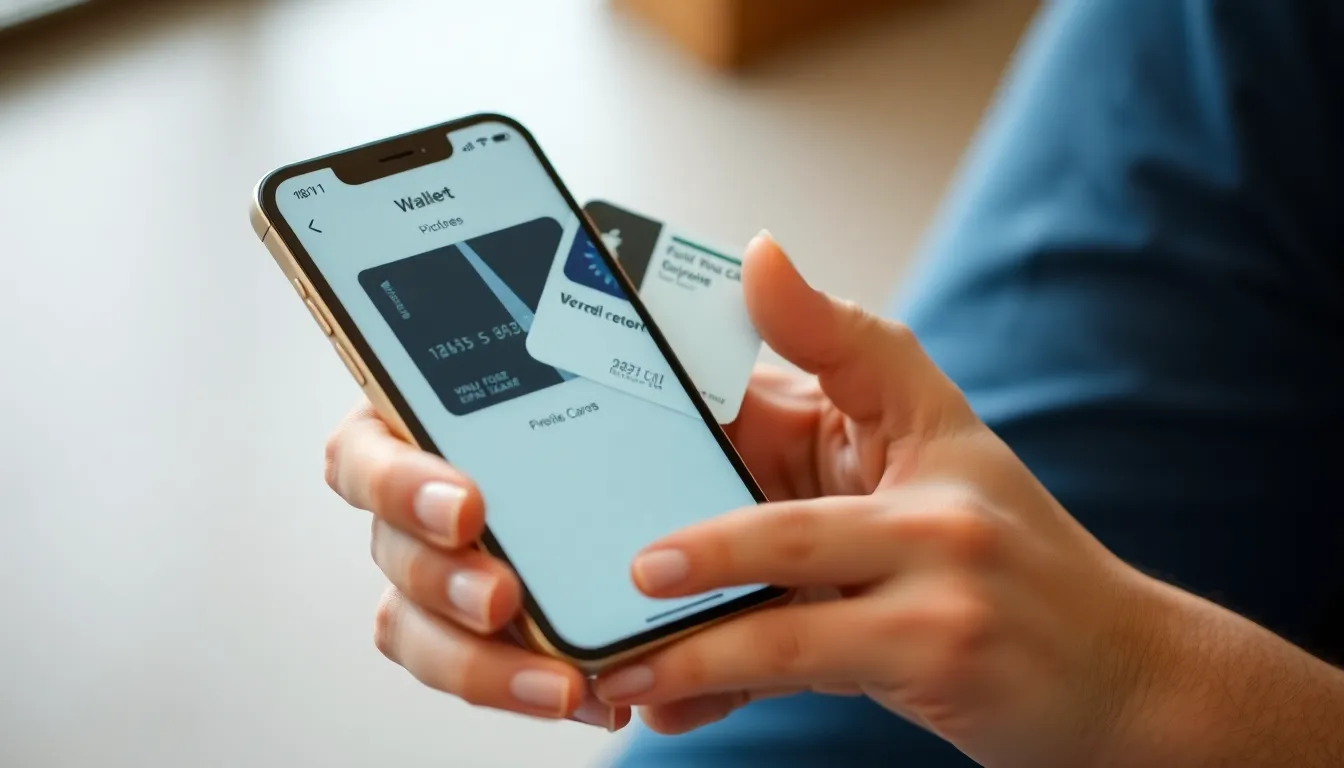

In a world where swiping right isn’t just for dating, knowing where your credit card info is stored on an iPhone can save you from a financial faux pas. Picture this: you’re ready to make a purchase, but your card info is playing hide and seek. Fear not! Apple’s got your back, and it’s easier than finding the last slice of pizza at a party.
Overview of Credit Card Info Storage on iPhone
Credit card information on an iPhone is primarily stored in the Wallet app. Users can access this app to view and manage their payment methods. The information is securely saved, utilizing encryption to protect data during transactions.
Apple provides a feature called Apple Pay, which allows users to make contactless payments. Adding a credit card to Apple Pay involves entering the card details directly in the Wallet app. Once added, users can make purchases easily without needing to input details each time.
In addition to the Wallet app, Safari browser saves credit card information for quicker online shopping. When filling out payment forms, users often see suggestions for saved cards. Users can disable this feature in Safari settings if they prefer not to store card info.
iCloud also plays a role in storing credit card data, syncing across all devices linked to the same Apple ID. This feature ensures that users have access to their payment methods on iPhones, iPads, and Macs. Users can manage iCloud settings to control what information gets stored.
Accessing and modifying credit card details requires authentication, ensuring security. Users enter their device passcode, Face ID, or Touch ID to make changes. This added layer of protection helps safeguard sensitive information from unauthorized access.
Understanding where credit card info resides aids in better financial management. Users can quickly update or delete information as needed. Knowing these locations also enhances confidence in performing secure transactions on an iPhone.
Apple Wallet and Credit Card Management

Apple Wallet serves as the primary repository for credit card information on an iPhone, ensuring secure management of payment details. Users can effortlessly add credit cards, enabling quick access during transactions.
Adding a Credit Card
To add a credit card to Apple Wallet, users open the Wallet app and tap the plus sign. Manual entry of card details or scanning the card using the iPhone camera provides two options. After verifying the card with a bank or card issuer, users gain immediate access to Apple Pay, facilitating contactless payments. Notifications may prompt users to authenticate their identity before completing the process, enhancing security.
Viewing Stored Credit Cards
Users can easily view stored credit cards within the Wallet app. Tapping on individual cards reveals essential details such as the card number and expiration date. The app also offers options to update or remove cards as necessary. Browsing through the saved cards can help users see which ones are linked to Apple Pay. For added convenience, credit card details saved in Safari can also be accessed through device settings.
Security Measures for Credit Card Info
Protecting credit card information on an iPhone involves multiple security measures, ensuring a safe user experience. Users can rest assured that their data is secure thanks to Apple’s robust protocols.
Encryption and Data Protection
Encryption safeguards credit card numbers stored in the Wallet app. This process makes it nearly impossible for unauthorized users to access sensitive information. In addition, data protection features like Secure Element store card information separately from the device’s main operating system, offering enhanced security. Apple Pay transactions encrypt payment data during transmission, preventing interception while in transit. Such systems ensure that only authorized receivers access the necessary details during transactions.
Best Practices for Keeping Info Safe
Adopting best practices enhances credit card security. Users should enable two-factor authentication for their Apple ID, adding an extra layer of protection. Regularly updating the device to the latest iOS version keeps security patches current. Avoiding public Wi-Fi for transactions minimizes exposure to potential threats. Furthermore, users can disable the automatic saving of credit card info in Safari settings to maintain more control. Lastly, monitoring bank statements for unauthorized charges promptly addresses any suspicious activity.
Accessing Credit Card Info on Different Apps
Understanding how to access credit card information within various apps enhances the user experience on an iPhone.
Safari and Online Payments
Safari stores credit card details for seamless online shopping. Users can quickly fill out payment fields without repeatedly entering data. To manage stored information, navigate to Settings, then Safari, and select AutoFill. Here, users can turn off the feature or modify existing entries. Viewing and editing saved credit cards occurs through the Wallet app, where essential details, such as card numbers and expiration dates, reside. Should users find inaccuracies, they can promptly update or delete the information for accurate transactions.
Third-Party Apps and Wallet Integration
Many third-party apps integrate with Apple Pay, providing a secure checkout experience. Users often find credit card details automatically populated during purchases. Using apps for ridesharing, food delivery, or retail fosters convenience and efficiency. When linking a card, authentication through Face ID or Touch ID enables secure transactions. Within the Wallet app, users can manage cards linked to these applications. Adjustments include removing cards or changing preferred payment methods to suit individual preferences.
Troubleshooting Credit Card Info Issues
Credit card information storage on an iPhone may occasionally present challenges. Understanding common problems helps users resolve issues quickly.
Common Problems and Solutions
Missing Cards: Users might not find their credit cards in the Wallet app. Checking if the cards are added to Apple Pay resolves this issue. Re-adding the card can also fix the problem.
Incorrect Details: If the card information appears incorrect, accessing the Wallet app allows for quick updates. Editing the details ensures accuracy for future transactions.
Authentication Failures: Users may encounter authentication issues when accessing card info. Restarting the device sometimes resolves temporary glitches. Ensuring biometric settings, like Face ID or Touch ID, are configured correctly is another helpful step.
Safari Issues: Problems with Safari autofilling credit card details can occur. Navigating to Settings, then Safari, allows users to enable or disable AutoFill as needed. Clearing Safari’s cache might also help.
Syncing Problems: Users might notice discrepancies in credit card info across devices. Verifying iCloud sync settings ensures accurate data sharing between devices linked to the same Apple ID. Re-signing into iCloud may assist in restoring proper syncing.
Knowing where credit card information is stored on an iPhone is crucial for effective financial management. With the Wallet app serving as the central hub for payment details users can easily access and update their cards. The integration with Apple Pay and Safari enhances the shopping experience while maintaining security through encryption and authentication measures.
By following best practices for protecting sensitive information users can confidently make transactions without fear of security breaches. Understanding the tools and features available on the iPhone empowers users to manage their finances better and ensures a smooth and secure payment process.