


In a world where forgetting passwords is as common as forgetting where you left your keys, Apple introduced passkeys to save the day. But what happens when that superhero becomes a pesky sidekick? Whether it’s a forgotten passkey or just a desire for a fresh start, knowing how to delete a passkey on an iPhone can be a game-changer.
Imagine trying to unlock your phone only to be greeted by a passkey that feels more like a locked door than a welcome mat. Fear not! With a few simple steps, you can bid farewell to that digital nuisance and reclaim your iPhone’s freedom. Get ready to navigate the tech maze with ease and a sprinkle of humor, because deleting a passkey shouldn’t feel like rocket science.
Understanding Passkeys on iPhone
Passkeys provide a modern solution for secure login, eliminating the reliance on traditional passwords. With increased security against phishing attacks and simpler user experience, passkeys have gained popularity among iPhone users.
What Are Passkeys?
Passkeys function as an alternative to passwords. They replace the need to remember complex strings with cryptographic keys stored securely on your device. These keys authenticate users without inputting a password, enhancing security. They involve a two-part system: a public key stored on the service’s server and a private key on the user’s device. This system makes unauthorized access extremely difficult, as the private key never leaves the device.
Why Use Passkeys?
Using passkeys streamlines the login process. Users avoid the hassle of creating, remembering, and entering passwords. Convenience ranks high on the list of benefits, especially for those who manage multiple accounts. Security also improves significantly, as passkeys reduce the likelihood of password-related breaches. Furthermore, services supporting passkeys can benefit from lower support costs attributed to fewer password reset requests. Overall, passkeys enhance both usability and security for users on iPhones.
Steps to Delete Passkeys on iPhone
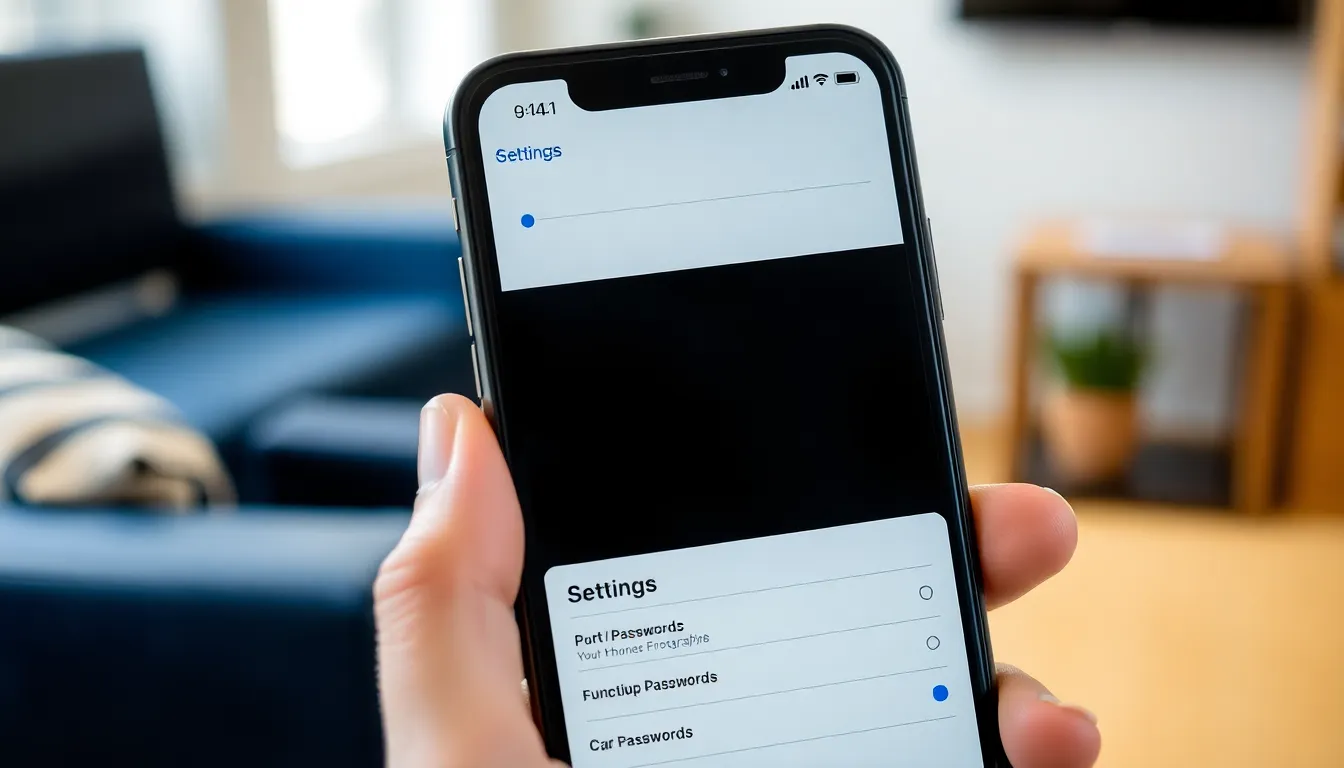
Removing a passkey from an iPhone involves a few simple steps that any user can follow.
Accessing the Settings App
Begin by tapping the Settings app on the home screen. The Settings app features a gear icon, easily recognizable. Once inside, users find a range of settings to choose from. Scroll down until you see “Passwords” and select it. Users may need to authenticate using Face ID or Touch ID to gain access to saved passkeys. This ensures security before proceeding.
Locating Passkeys in Settings
Inside the Passwords section, a list of saved items appears. Users can browse through these entries to specifically find passkeys. Each entry displays the website or application name along with the corresponding passkey. To quickly locate a particular passkey, utilize the search bar at the top. Typing in the relevant app or site name filters results effectively.
Deleting a Specific Passkey
To remove a passkey, select the desired entry from the list. Once chosen, a detailed view opens, showing more information. In this view, a “Delete Password” option appears prominently. Users tap this button to initiate the deletion process. Confirm the action when prompted to finalize removal, ensuring the passkey is deleted successfully.
Common Issues and Troubleshooting
Users may encounter a few common issues when managing passkeys on their iPhone. Addressing these concerns can help maintain a smooth experience.
Unable to Find Passkeys
Difficulty locating passkeys can occur due to the navigation process in Settings. To find saved passkeys, users must ensure they are accessing the correct section under “Passwords.” They may need to scroll through the list or utilize the search bar at the top. An authentication prompt, using Face ID or Touch ID, must appear first. If a user recently deleted a passkey, that entry won’t be visible. Managing passkeys also requires maintaining updated iOS software, as outdated versions might cause inconsistencies in display.
Passkey Not Deleting
Some users experience issues when attempting to delete a passkey. Confirming they are tapping the correct “Delete Password” option is essential. A successful deletion requires confirmation of the action afterward. If a passkey remains, potential reasons include a software glitch or app dependency. Restarting the iPhone can resolve minor bugs, enabling smoother functionality for deleting entries. Additionally, checking for pending iOS updates may prevent compatibility problems during deletion attempts.
Additional Tips for Managing Passkeys
Managing passkeys effectively enhances the security and convenience of using an iPhone. Following a few best practices simplifies the process.
Setting Up New Passkeys
Establishing new passkeys starts with accessing the relevant app or website on an iPhone. Users need to choose the option to create a passkey instead of a password. This process often involves authenticating through Face ID or Touch ID. Afterward, the system generates a unique passkey, seamlessly replacing the traditional password. Saving this passkey in the iPhone’s settings ensures easy access during future logins. Remember to review saved passkeys regularly to remove any that are no longer necessary.
Security Considerations
Security plays a crucial role when managing passkeys on an iPhone. Regularly updating iOS helps protect against vulnerabilities. Users should enable two-factor authentication wherever possible for added security. This extra layer further safeguards accounts, making unauthorized access difficult. Additionally, being cautious about app sources prevents malicious software from compromising passkeys. Observing suspicious activity related to accounts can provide early indicators of potential security breaches, prompting immediate action. Prioritizing security measures contributes to a safer online experience overall.
Deleting a passkey on an iPhone is a simple task that can enhance user experience. By following the outlined steps users can easily remove any passkey that no longer serves them. This not only declutters their password management but also ensures their security remains intact.
Regularly reviewing and managing passkeys is essential for maintaining a secure digital environment. Staying updated with iOS software and implementing additional security measures can further protect users from potential threats. Embracing these practices leads to a more efficient and safer online experience.


