
Ever found yourself in a situation where your iPhone’s gone rogue, refusing to make a peep? It’s like that one friend who always shows up to the party but never joins the fun. Whether you’re missing important calls or just want to hear your favorite notification chime, getting your iPhone out of silent mode can feel like a high-stakes treasure hunt.
Understanding Silent Mode on iPhone
Silent mode on iPhone mutes all incoming alerts and ringtones. This feature provides users control over audio notifications and can be helpful in various situations.
What Is Silent Mode?
Silent mode prevents an iPhone from emitting sound when calls or alerts come in. This setting is managed using the physical switch located on the side of the device. When the switch is flipped towards the back, it indicates silent mode is engaged. Icons appear on the screen to confirm the mode status. Users often toggle this feature to avoid disturbances in particular environments.
Why Use Silent Mode?
Using silent mode minimizes distractions, especially in meetings or during classes. People frequently activate this feature when they prefer not to be interrupted by phone calls and notifications. Silence allows individuals to focus on tasks without the auditory disturbances typical of a ringing phone. Events like movie screenings or concerts often call for this mode to maintain a peaceful atmosphere.
Steps to Take Your iPhone Off Silent Mode
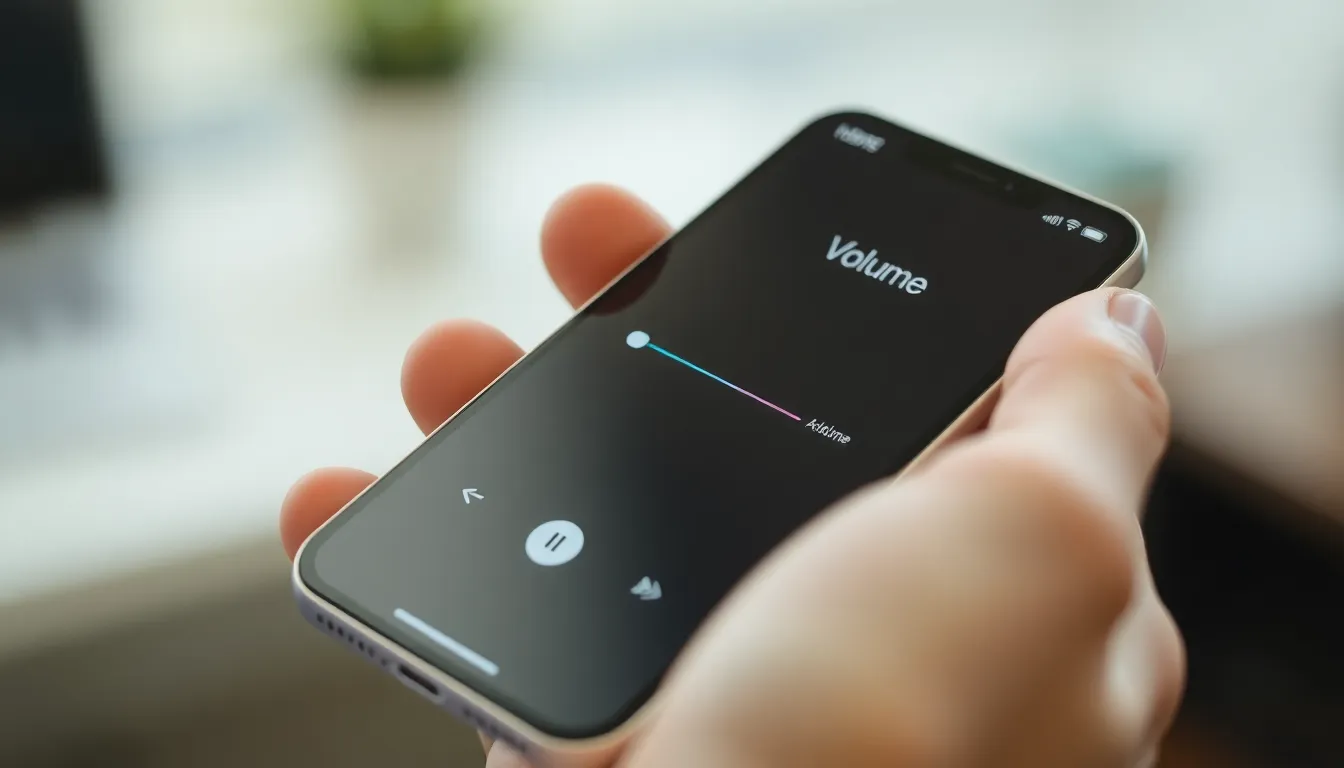
Taking an iPhone off silent mode involves simple steps. Users can restore audio by following the methods below.
Using the Ring/Silent Switch
Locate the ring/silent switch on the left side of the iPhone. The switch should be positioned above the volume buttons. To disable silent mode, toggle the switch toward the screen. An orange indicator signals when silent mode is active. Placing the switch back to its original position eliminates the silent status, allowing sounds to return. This quick action enables users to hear incoming calls and notifications again.
Adjusting Volume Settings
Access the volume settings through the physical volume buttons located on the side of the device. Press the volume up button to increase sound levels. An on-screen display reflects changes as the user adjusts the volume. Alternatively, navigate to Settings, select Sounds & Haptics, then adjust the Ringer and Alerts slider. These options ensure that users can personalize their audio experience, making incoming alerts audible even when the ring/silent switch is active. Adjusting volume settings guarantees users remain alert to important notifications.
Additional Tips for Managing Sound on iPhone
Managing sound settings enhances the iPhone experience. Consider these helpful options.
Using Do Not Disturb
Accessing Do Not Disturb allows temporary silence during specific times. Users can enable this feature from the Control Center or through the Settings app. A crescent moon icon appears on the screen when activated. By configuring schedule options, users can choose certain hours for uninterrupted focus or rest. Notifications still arrive silently, keeping the user informed without disturbances. Disabling Do Not Disturb restores regular alert functionality quickly.
Customizing Ringtones and Alerts
Customizing ringtones and alerts personalizes notifications. Users navigate to Settings, then Sounds & Haptics, to select preferred tones. Various options exist for calls, texts, and other alerts. Specific sounds can match different contacts, adding a personal touch to calls. Moreover, users can purchase unique tones from the iTunes Store for even greater customization. Setting distinct alert styles helps individuals prioritize which notifications matter most.
Troubleshooting Common Issues
Identifying why an iPhone remains in silent mode can help restore sound quickly. Users often find the switch positioned correctly yet still face issues. Checking the switch’s position is essential; it should not show any orange. Rebooting the iPhone might also resolve the problem. If the device is still unresponsive, resetting all settings may provide a solution. This option can be found in the Settings menu under General, then Reset. Remember, resetting settings won’t erase personal data but will restore preferences to factory defaults.
If Your iPhone Is Stuck in Silent Mode
If an iPhone appears stuck in silent mode, first verify the ringer switch on the left side of the device. Users often overlook this simple step. When the switch shows orange, it indicates silent mode is active. Toggling the switch back should reactivate sound. Beyond this, checking the volume settings is vital for ensuring audio notification levels. Pressing the volume buttons can test sound capabilities instantly. For persistent issues, it may be necessary to restart the device. Unresponsive settings might hint at software complications, requiring further attention.
Checking for Software Updates
Regularly checking for software updates can prevent silent mode issues. Apple frequently releases updates that fix bugs and enhance performance. To check for updates, navigate to Settings, tap General, then select Software Update. If an update is available, the device prompts users to download and install it. Installing updates often resolves hidden software bugs impacting features like audio notifications. It’s important to ensure the iPhone runs the latest software version, which can help in maintaining overall functionality. Keeping the device updated not only improves performance but also benefits security measures.
Restoring sound to an iPhone stuck in silent mode doesn’t have to be a hassle. By understanding the ring/silent switch and adjusting volume settings users can quickly regain control over their notifications. Utilizing features like Do Not Disturb allows for focused periods while still keeping important alerts accessible.
Regularly checking for software updates and troubleshooting common issues ensures the device remains in optimal condition. With these strategies in place users can enjoy their iPhone’s full functionality without missing out on essential calls or messages. Taking these simple steps can significantly enhance the overall user experience.