

Ever misplaced your phone and thought it was playing hide-and-seek? Or maybe you just want to retrace your steps after that spontaneous trip to the ice cream shop? Finding recent locations on an iPhone can be a game-changer, especially when your memory’s playing tricks on you.
Understanding Recent Locations on iPhone
Recent locations refer to places that an iPhone tracks based on user activity. This feature collects data from various applications, capturing significant spots visited throughout the day.
What Are Recent Locations?
Recent locations populate in the Maps app and serve as a historical record. Users can view places they’ve navigated to, enhancing their ability to recall trips or visits. The device automatically logs locations based on movement and app usage. This tracking provides insights into personal travel patterns, creating a convenient snapshot of whereabouts. Users benefit from this data for tasks such as planning future outings or revisiting favorite spots.
Importance of Recent Location Tracking
Tracking recent locations enhances daily convenience. It’s invaluable for individuals wanting to remember where they parked their car or enjoyed a meal. This feature also plays a role in safety, allowing users to retrace steps if needed. Business travelers find it beneficial for locating meeting venues or overnight accommodations. With recent location tracking, retrieving lost time is easier, facilitating better organization and planning.
Accessing Your Location History
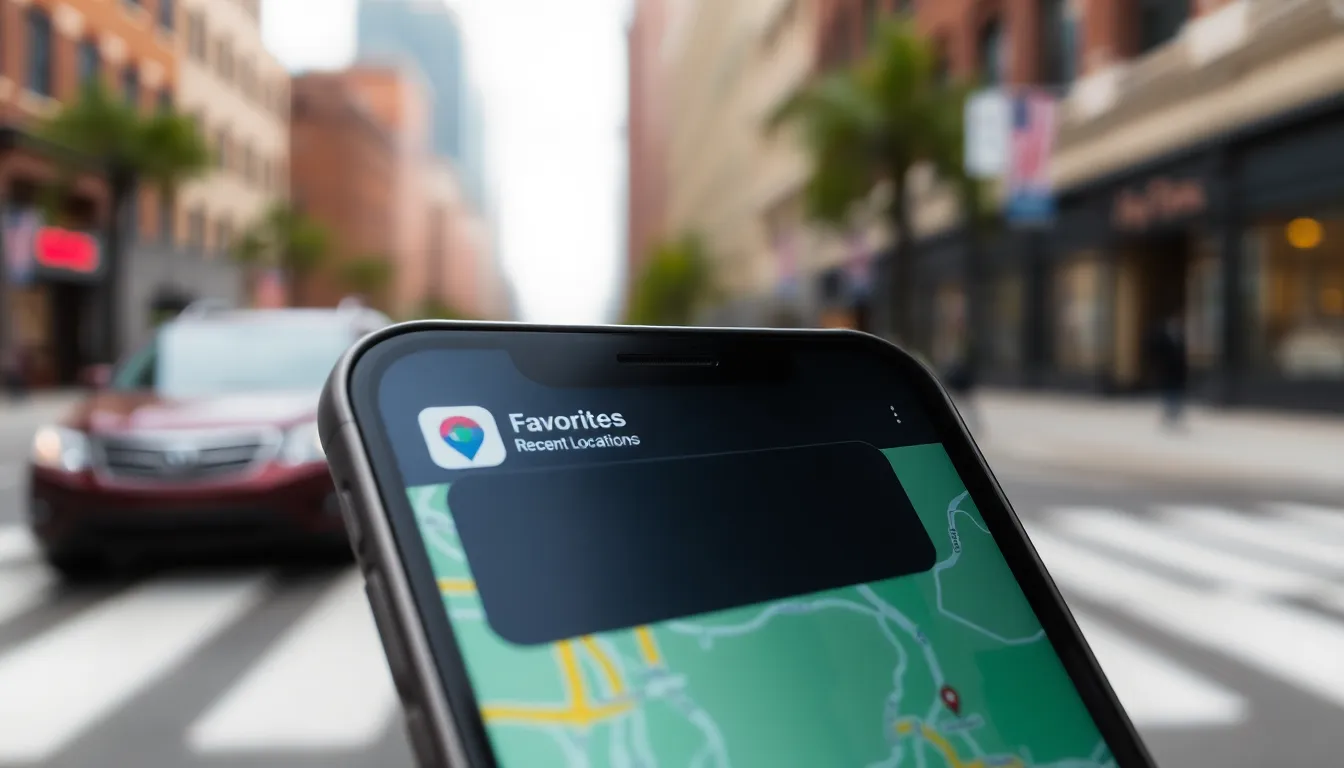
Finding your location history on an iPhone provides valuable insights. Users can track their movements and discover places they’ve visited recently.
Using the Maps App
Open the Maps app to access recent locations. Tap the “Favorites” tab at the bottom, where previously visited places appear. This area shows locations marked as favorites and frequently visited sites. View your recent trip data by scrolling down to “Recent Locations.” Users can also select a specific location to find directions or details, enhancing the navigation experience.
Utilizing the Privacy Settings
Navigate to Privacy settings to manage location tracking. Select “Location Services” and ensure that it’s activated for optimal functionality. Users can find the “System Services” option at the bottom. Activating “Significant Locations” helps in tracking frequently visited spots. This feature stores location data, enabling easy recall. Adjusting these settings provides full control over shared location information, ensuring a balance between convenience and privacy.
Location Services: A Deep Dive
Location Services on the iPhone provide valuable tools that enhance the user experience by tracking and accessing recent locations.
How to Enable Location Services
To enable Location Services, navigate to the Settings app and tap on Privacy. In that section, users will find the Location Services option. Toggling the switch to green activates this feature, allowing the iPhone to gather information about a user’s location. Significant Locations can also be enabled within this area for more detailed tracking. Once activated, the device starts recording and storing location data based on usage patterns, making it easier to find previously visited spots.
Managing Location Access for Apps
Managing location access for apps involves adjusting permissions directly in the Location Services menu. Users can scroll through the list of apps and select which ones are allowed to access their location. Options include “Never,” “While Using the App,” and “Always.” Choosing the most suitable option ensures control over data privacy while accessing necessary features. It’s wise to check these settings regularly, as some apps may change their access requests after updates, maintaining a balance between convenience and security.
Tips for Efficient Location Tracking
Efficient location tracking enhances the utility of an iPhone. Users gain valuable insights into their travel behaviors and improve overall navigation.
Checking Location History
Accessing location history on an iPhone is straightforward. Users need to open the Settings app and navigate to Privacy. From there, tapping on Location Services allows them to manage their tracking preferences. Significant Locations stores visited places, providing log details. To view this data, users select Locations within the Location Services menu. This feature enables a comprehensive review of recent travels, assisting in remembering context and specifics related to each location.
Alternatives to Default Settings
Exploring alternatives to default settings can optimize location tracking experiences. Users can consider third-party apps designed for enhanced location management. GPS Tracker and Life360 provide advanced tracking options and features like real-time updates. Adjusting permissions for various applications is crucial as well. Customizing location access ensures that only trusted apps gather location data. Choosing “While Using the App” for specific applications strikes a balance between convenience and privacy, reducing unnecessary location sharing while still providing informative tracking.
Finding recent locations on an iPhone can significantly enhance everyday convenience and safety. By utilizing the Maps app and managing Location Services, users can easily track their movements and access a history of places they’ve visited. This feature not only helps in recalling past outings but also aids in planning future trips and organizing daily tasks.
With the right settings in place, users can enjoy the benefits of location tracking while maintaining control over their privacy. Embracing these tools empowers users to navigate their world with confidence, making their iPhone an invaluable companion in both daily life and travel.