
Robotics is no longer just the stuff of sci-fi movies; it’s become an exciting reality that’s reshaping industries and everyday life. Imagine a world where robots handle mundane tasks while humans focus on creativity and innovation. Sounds dreamy, right? Well, advancements in robotics are making this dream a reality faster than you can say “artificial intelligence.”
Overview of Robotics Advancements
Robotics advancements have significantly reshaped industries and everyday life. Innovations in artificial intelligence and machine learning allow robots to perform complex tasks autonomously. In manufacturing, robots enhance productivity by streamlining assembly lines and reducing error rates. Automation in agriculture enables efficient planting, harvesting, and monitoring of crops, leading to better yields.
Healthcare has also benefited from robotics. Surgeons use robotic systems for precision in minimally invasive procedures, improving patient outcomes. Additionally, robots assist in patient care, offering companionship and aiding with rehabilitation exercises. Logistics and supply chain management involve robots that handle inventory and facilitate faster deliveries.
Transportation continues to evolve with autonomous vehicles. These vehicles promise safer roads by reducing human error, while drone technology expands delivery options for remote areas. Robotics in construction introduces solutions like bricklaying robots that significantly decrease project timelines.
Exploring customer service, chatbots now handle inquiries, providing instant responses and freeing human agents for complex issues. Enhancements in collaborative robots, or cobots, enable safer interactions between humans and machines in workplaces, fostering productivity.
As technology advances, ethical considerations rise. Developers emphasize responsible robotics, focusing on safety and the impact on employment. Continuous research and development pave the way for innovative applications, ensuring robotics remains a crucial part of future technologies.
Key Technologies Driving Robotics
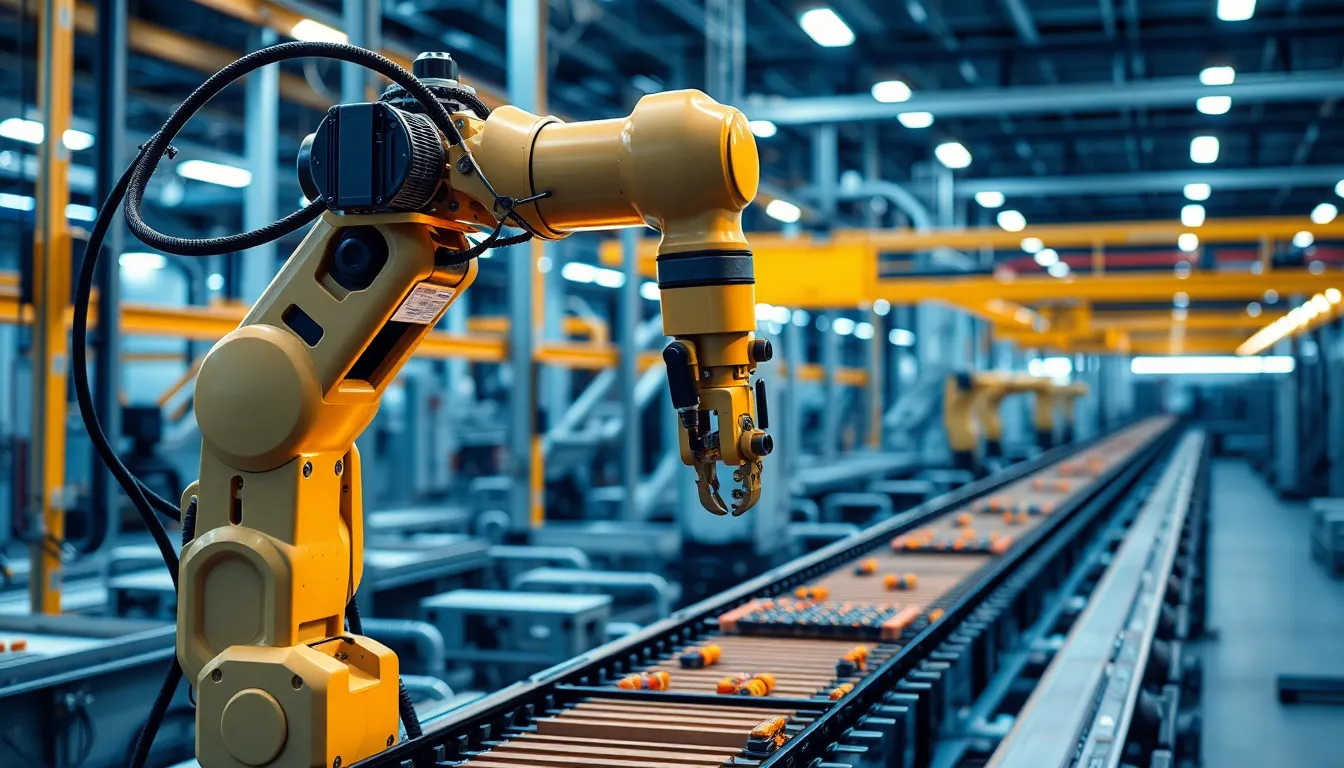
Robotics advancements are heavily influenced by key technologies that enhance functionality and efficiency. Two primary areas driving this progress include artificial intelligence and machine learning.
Artificial Intelligence in Robotics
Artificial intelligence forms the backbone of modern robotics. Through AI, robots can process vast amounts of data, enabling them to make informed decisions. This capability enhances their performance in various applications, such as autonomous navigation and real-time object recognition. Robots equipped with AI can adapt to their environments, allowing for more intelligent interaction with humans and other machines. With AI-driven robots, industries improve efficiency in tasks that require precision and speed.
Machine Learning Applications
Machine learning significantly impacts how robots learn and adapt. By analyzing data patterns, robots improve their operations over time, leading to more accurate and efficient task execution. Industries like manufacturing and healthcare leverage machine learning to refine robotic processes, reducing error rates and increasing productivity. Data-driven insights empower robots to anticipate issues and streamline workflows. This technology is crucial in personalizing experiences and innovations within robotic systems.
Impact of Robotics Advancements
Robotics advancements significantly reshape industries and enhance daily life. Many sectors see improved efficiency and productivity due to these innovations.
Industrial Automation
Manufacturers leverage robotics to transform production lines. Robots excel in repetitive tasks, resulting in faster assembly and fewer errors. This shift enables human workers to focus on more complex challenges. Companies report up to a 30% increase in productivity after implementing robotic solutions. Automation reduces operational costs and minimizes workplace injuries through safer environments. The integration of AI enhances robotic capabilities, allowing machines to adapt to changing conditions and optimize processes in real time.
Healthcare Innovations
Medical robotics revolutionize patient care and surgical procedures. Surgeons use robotic systems for minimally invasive operations, improving precision and reducing recovery times. Patients benefit from shorter hospital stays and lower complication rates. Robotics also assist in rehabilitation, offering personalized therapy programs tailored to individual needs. Hospitals utilizing robotic technology report enhanced workflow and increased surgical capacity. The combination of AI with robotic systems aids in accurate diagnoses and treatment planning, ensuring better patient outcomes.
Challenges in Robotics Development
Robotics development faces significant challenges that can hinder progress across various domains.
Technical Limitations
Robots often struggle with limited processing power, restricting their abilities in complex environments. Navigation in unpredictable settings remains a significant obstacle, as obstacles can confuse robotic systems. The reliance on precise programming makes adaptations to unforeseen changes difficult. Furthermore, sensor limitations impact robots’ ability to perceive their surroundings accurately, limiting efficiency in tasks. Reliability becomes an issue without advanced software that can adapt and learn from different situations. Addressing these technical issues requires substantial research investments and collaboration among developers and engineers.
Ethical Considerations
Ethical implications arise as robots integrate deeper into society. Privacy concerns emerge when robots collect and process personal data in homes or public spaces. Accountability poses another challenge; determining responsibility in cases of accidents or malfunctions often remains unclear. Bias in AI algorithms can perpetuate existing inequalities, affecting the outcomes of automated decisions. These challenges necessitate open discussions among stakeholders to create robust guidelines and ensure responsible development. Balancing innovation with ethical standards becomes crucial for long-term success in robotics.
Future Trends in Robotics
Robotics continues to evolve, with future trends shaping industry standards and societal interactions. Emerging technologies promise to enhance robotic applications in everyday life and various industries.
Autonomous Systems
Autonomous systems are set to transform sectors like transportation and logistics. These systems utilize advanced algorithms to navigate environments without human intervention. Enhanced sensors contribute to their ability to process real-time data, improving decision-making during complex scenarios. In agriculture, autonomous drones survey fields, optimizing resource use and maximizing crop yields. Research indicates autonomous vehicles can reduce traffic accidents by up to 90%. This shift towards autonomy not only boosts efficiency but also reshapes workforce dynamics across numerous fields.
Human-Robot Collaboration
Human-robot collaboration is gaining traction in contemporary workplaces. Working side by side with robots promotes safety and increases productivity, as robots take on repetitive or hazardous tasks. These collaborations allow workers to engage in more strategic and creative roles. Reports highlight that companies integrating collaborative robots experience productivity increases of 20% to 30%. Additionally, tailored training programs ensure that employees develop skills necessary for effective teamwork with robots. This synergy not only enhances operational efficiency but also paves the way for innovations in task management.
Robotics advancements are reshaping industries and enhancing everyday life. As technology continues to evolve, robots are becoming integral to processes that once relied heavily on human labor. This shift not only boosts efficiency but also fosters a safer work environment.
The collaboration between humans and robots is paving the way for innovative solutions that address complex challenges. While the journey toward fully autonomous systems presents obstacles, the potential benefits are immense.
With ongoing research and ethical considerations at the forefront, the future of robotics looks promising. As society adapts to these changes, the synergy between humans and machines will likely lead to unprecedented opportunities for creativity and productivity.