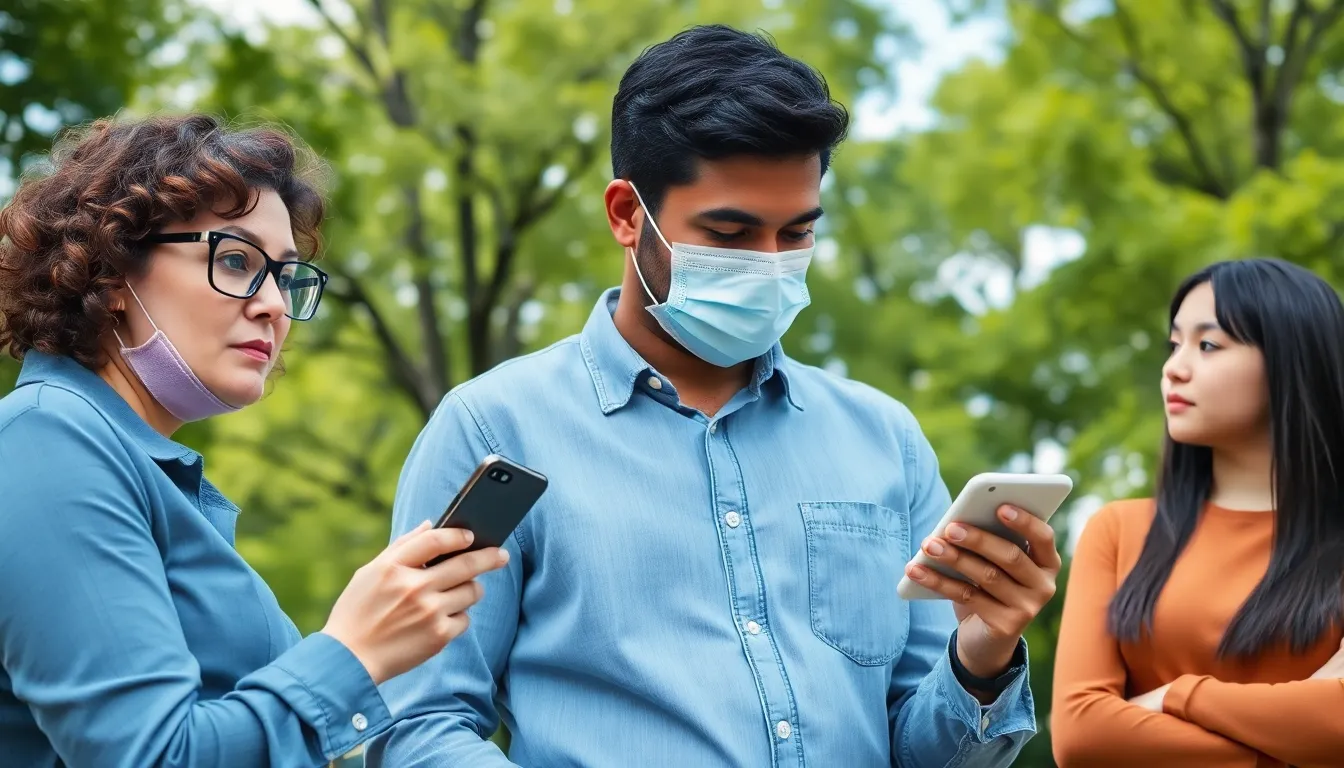

Navigating the post-COVID world feels a bit like playing a game of hide and seek, doesn’t it? One minute you’re enjoying a night out, and the next, you’re pondering how many days it takes for the virus to knock on your door after exposure. Spoiler alert: it’s not just a matter of counting sheep!
Understanding COVID Exposure
COVID exposure occurs when an individual comes into contact with someone infected with the virus. Symptoms typically appear 2 to 14 days after exposure. The Centers for Disease Control and Prevention (CDC) emphasizes that individuals may spread the virus even if they show no symptoms. Identifying exposure situations helps mitigate risks associated with potential infection.
Close contacts, defined as individuals within 6 feet of an infected person for a cumulative total of 15 minutes or more over 24 hours, require monitoring. Testing for COVID-19 is recommended, especially for those experiencing symptoms. Those exposed should wear masks and maintain distance from others to reduce transmission.
Monitoring for symptoms proves essential in this process. Individuals should remain vigilant for common signs including fever, cough, or loss of taste and smell. If symptoms develop, seeking testing is critical. Additionally, self-isolation until results arrive is advisable.
Understanding the timing of testing assists in managing exposure. Testing too soon after exposure may yield false negatives. The best practice involves waiting 5 to 7 days post-exposure before getting tested. This timeframe allows for accurate detection of the virus.
Awareness of quarantine guidelines remains vital. Quarantine may last up to 14 days, depending on vaccine status and proximity to confirmed cases. Adjusting to these recommendations allows individuals to effectively navigate potential risks associated with COVID.
Timeline of COVID Symptoms

Symptoms typically appear within a specific timeline after exposure to COVID-19. Understanding this timeline helps individuals monitor their health and take necessary precautions.
Initial Symptoms
Initial symptoms often emerge 2 to 14 days after exposure to the virus. Common early signs include fever, cough, fatigue, and loss of taste or smell. People may also experience sore throat, muscle aches, and shortness of breath. These symptoms might range from mild to severe and can vary significantly among individuals. Monitoring these signs is crucial, especially within the first week, as early intervention can lead to better outcomes. Testing during this time can help determine if the individual has contracted the virus.
Delayed Symptoms
Delayed symptoms may manifest up to 14 days post-exposure. Individuals sometimes report gastrointestinal symptoms like nausea, vomiting, and diarrhea as late signs. Others may experience confusion or difficulty breathing if the illness progresses. Tracking changes in health status during this period remains essential since symptoms can intensify quickly. Recommendations suggest that any noticeable changes in health should prompt immediate medical consultation. Public health guidelines often encourage testing if delayed symptoms present, ensuring timely and accurate diagnosis.
Testing for COVID-19
Testing plays a critical role in managing exposure to COVID-19. Individuals should select the appropriate tests and timing to ensure accurate results.
Types of Tests Available
PCR tests detect the virus’s genetic material and provide high accuracy. Rapid antigen tests offer quicker results, typically within 15 to 30 minutes, but may be less reliable, especially in asymptomatic cases. At-home test kits also allow for convenient testing and may include both PCR and antigen options. Each test type has specific uses depending on symptoms and exposure risk, guiding individuals in their decision-making.
When to Get Tested
Testing is most effective 5 to 7 days after exposure, aligning with the virus’s typical incubation period. If symptoms develop, individuals should get tested immediately, regardless of timeline. Waiting longer than 14 days for a test may yield unreliable results due to potential symptom variation. Public health recommendations often emphasize timely testing, especially for those in high-risk settings.
Factors Affecting Timing
Timing for COVID-19 symptoms post-exposure can vary based on multiple factors. Individual health status, immune response, and variant strains all influence how soon someone may notice symptoms or test positive.
Individual Health Factors
Individual health plays a significant role in COVID-19 symptom onset. Factors such as age, underlying health conditions, and overall immunity contribute to this variability. Younger individuals with no chronic health issues often experience milder or delayed symptoms. Conversely, older adults or those with conditions like diabetes or heart disease may see symptoms emerge sooner and with greater severity. Some may test positive early, only showing symptoms later, while others exhibit no symptoms at all. Monitoring health conditions closely and being vigilant about any changes is essential.
Variant Strains
Different COVID-19 strains can alter symptom timing and presentation. Variants like Delta and Omicron spread more easily and may cause symptoms to arise sooner. Studies indicate that the Omicron variant might lead to a shorter incubation period, with symptoms appearing within 2 to 5 days after exposure. This rapid onset can increase the likelihood of unknowingly transmitting the virus. Tracking information about variant strains and staying updated on public health guidelines ensure timely responses during outbreaks. Keeping informed about how variants affect transmission helps individuals take necessary precautions.
Recommendations for Monitoring Symptoms
Monitoring symptoms after COVID exposure is essential for timely intervention. Individuals should check for signs like fever, cough, and fatigue within the first 14 days. Tracking changes in health helps in understanding the virus’s impact. If symptoms worsen, seeking medical advice becomes critical.
Testing plays a significant role in this process. It’s best to test 5 to 7 days after exposure, aligning with the virus’s incubation period. Rapid antigen tests provide quick results, though they may not be as reliable in asymptomatic cases. PCR tests offer high accuracy and should be considered for confirmed diagnosis.
Keeping an eye on delayed symptoms is equally important. Gastrointestinal issues and confusion can emerge up to 14 days after exposure. Individuals must remain vigilant, as these symptoms may indicate a need for further evaluation.
The response to symptoms can vary based on several factors. Younger adults often experience milder symptoms compared to older individuals or those with pre-existing conditions. New variants like Omicron may lead to different symptom timelines, so staying informed about current variants is vital.
Wearing masks and maintaining distance during interactions can reduce the risk of transmission. Following public health guidelines reinforces personal safety and the well-being of the community. Keeping up with daily health checks can aid in recognizing potential infections swiftly.
Navigating life after COVID exposure requires vigilance and awareness. Individuals should remain proactive in monitoring their health for symptoms and adhere to testing guidelines. Recognizing the timeline for potential symptoms can significantly impact timely intervention and treatment.
Staying informed about public health recommendations and being mindful of personal interactions can help reduce the risk of transmission. Ultimately, prioritizing safety measures like mask-wearing and social distancing not only protects oneself but also contributes to community health. By remaining cautious and informed, individuals can better manage the uncertainties of post-COVID life.